
Contraline Secures $92.5M to Push Its Male Birth Control Candidates Forward
Contraline raised $92.5 million in new funding to advance its two male contraceptive candidates, including a once-daily topical gel and an implantable option.
Contraline raised $92.5 million in new funding to advance its two male contraceptive candidates, including a once-daily topical gel and an implantable option.

In this episode, we’re joined by Régine Sitruk-Ware, a distinguished scientist at the Population Council’s Center for Biomedical Research (CBR), and Chelsea Polis, senior scientist of epidemiology at CBR. They talk about the effect upcoming male birth control products could have on women's health.


In an interview, Kyan Health Co-Founder and Chief Commercial Officer Konstantin Struck discussed how Kyan gives mid-market and enterprise employers access to premium workforce mental healthcare, at a price point that is affordable.
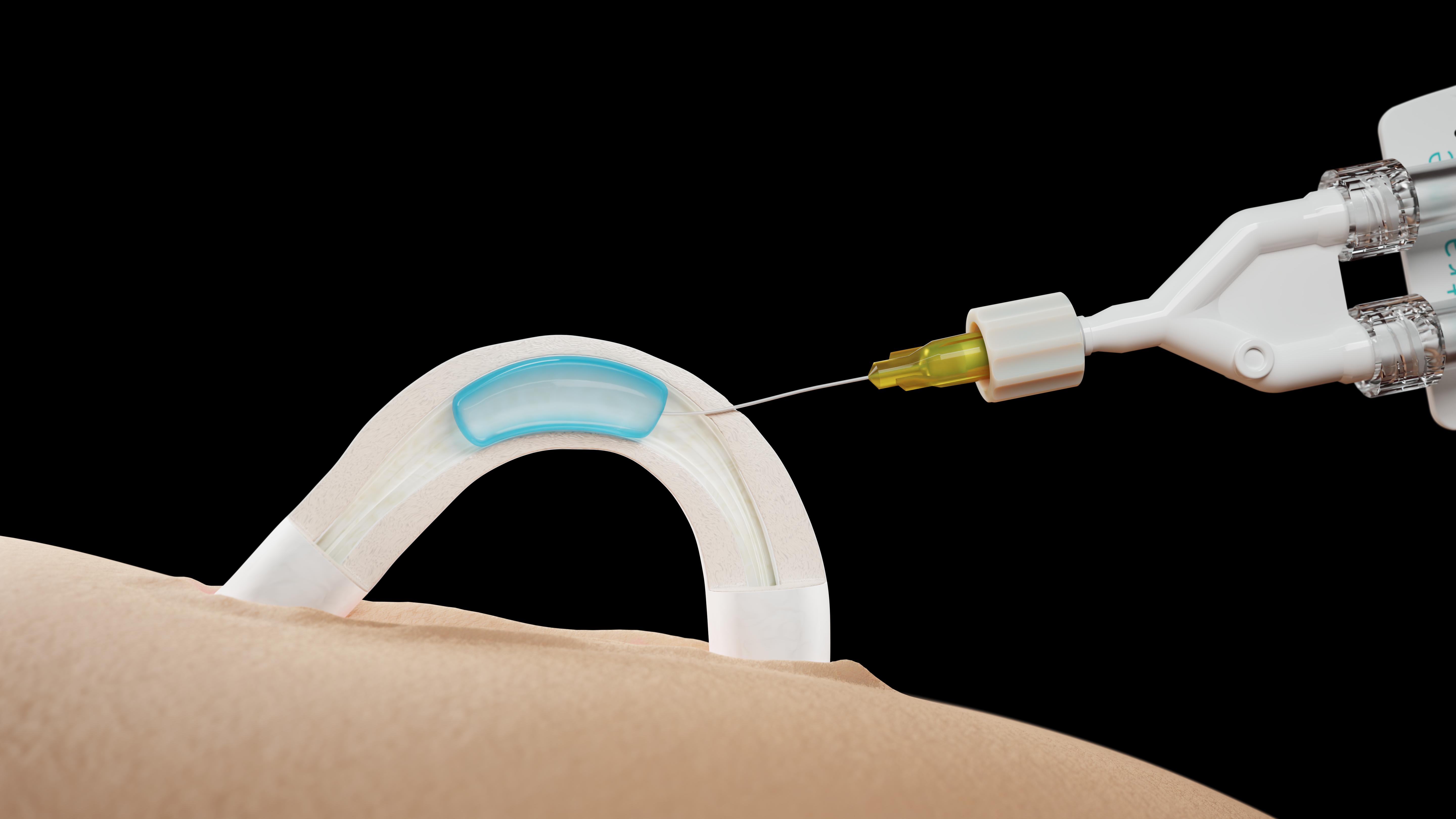
Contraline released promising data from the clinical trial it’s conducting to test the efficacy of Adam, its male birth control product. The nonhormonal gel seems to be doing a good job of blocking the flow of sperm to the vas deferens, and no serious adverse events have been reported.
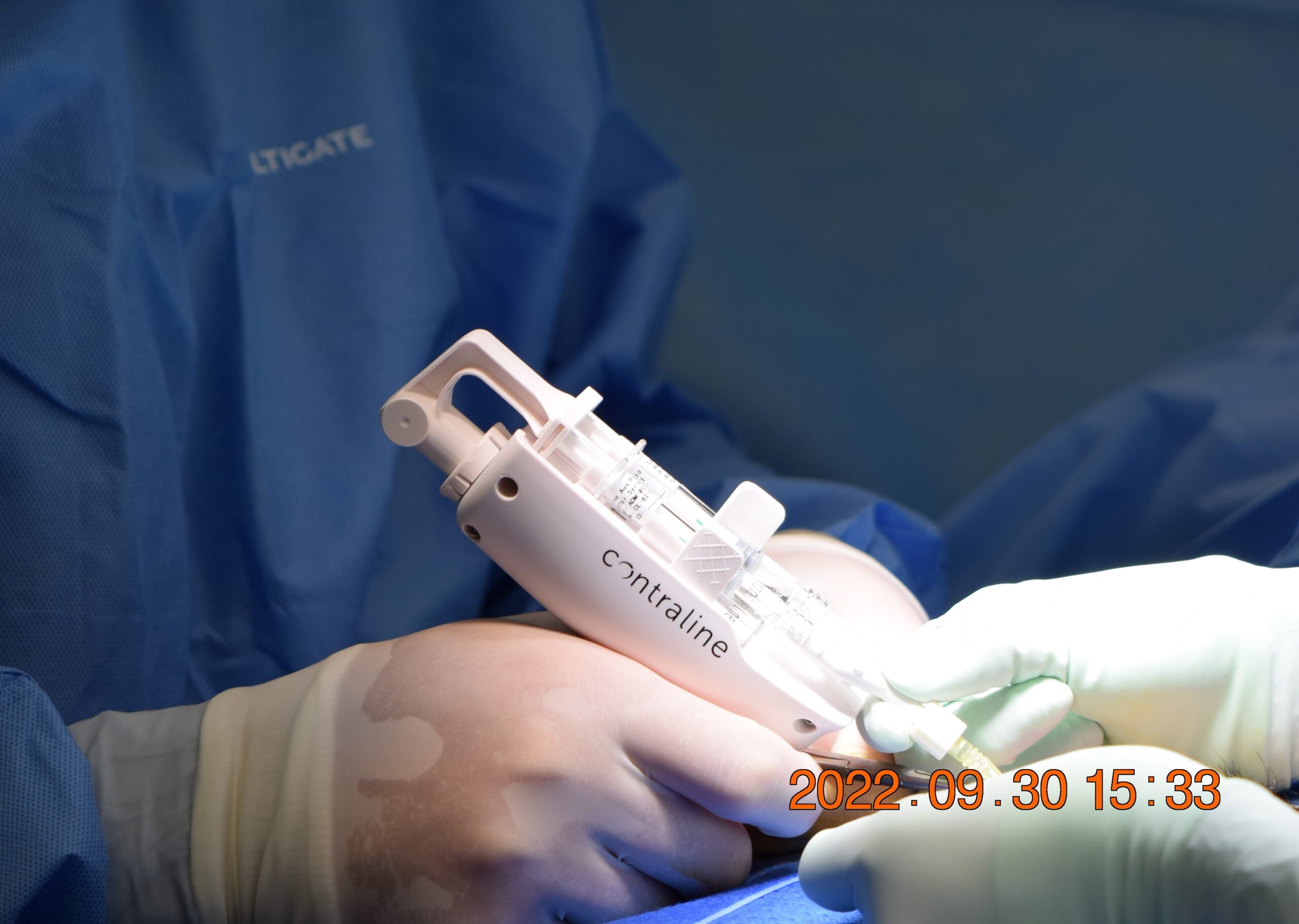
Medical device company Contraline became the first to implant a hydrogel-based male contraceptive gel into humans in a clinical trial. Implanted during a noninvasive 10-minute office procedure, the gel promises to block the flow of sperm to the vas deferens. If proven safe and effective, it could become the first nonhormonal, reversible contraceptive for men on the market.

Some ethicists and advocates say it represents a double standard, citing evidence that female contraception also may be related to depression and other side effects. They argue men are being protected from the same unpleasant consequences that women are forced to accept.
Women have been largely in charge of making sure unwanted pregnancies don’t happen unexpectedly due to the availability of various forms of contraception. While men have the obvious choice of using condoms or in extreme cases going for the snip (and there have been talks of a future pill-form for men), other potentially affective options […]

Discover the top AI-powered EAP providers for 2026. Compare platforms like Kyan Health and Spring Health on triage speed, global reach, and clinical quality to transform workforce wellbeing.